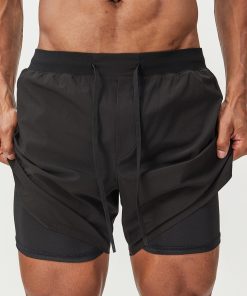
Whether you’re building a personal original clothing brand, customizing team cultural shirts, or creating employee uniforms for enterprises, the presentation effect of the logo directly affects the overall texture of the clothing and brand recognition. However, facing the various clothing logo production methods on the market, many people fall into a dilemma: screen printing, heat transfer, embroidery, heat transfer vinyl… Which one is suitable for your needs?
1.Screen printing
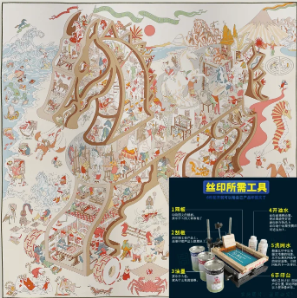
Screen printing is the most widely used printing method in clothing printing technology, requiring a template for each color (most Herm è s scarves use screen printing technology). Including water-based printing, adhesive printing, thick plate offset printing, wire mesh flocking, wire mesh ink, wire mesh foaming, wire mesh hot stamping, etc. This can only be made on semi-finished products and cannot be made on stock,
2.Hot stamping/Heat transfer
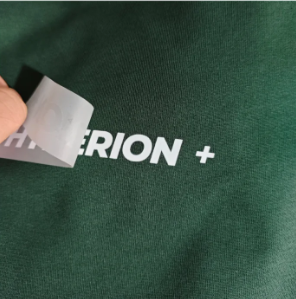
Hot stamping, also known as heat transfer printing, involves first printing the pattern on the clothing onto transfer adhesive paper, and then freely arranging and transferring it to the clothing at high temperatures. The pattern can be made very fine, and the color can be as bright as a photo. The adhesive feels heavy and not breathable, making it unsuitable for large-scale use. It is easy to fall off after washing multiple times.but it could do it on the stocks item.
3.Silicone label
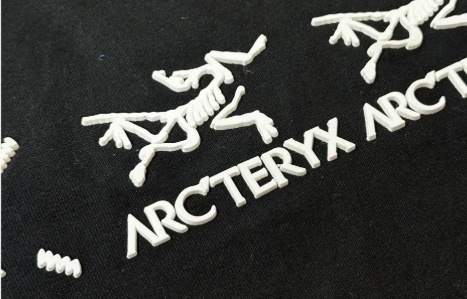
A printing process that transfers silicone patterns onto clothing or fabrics through hot pressing, combining the three-dimensional texture of silicone printing with the fine expressive power of heat transfer printing. Environmentally friendly and non-toxic, high elasticity, tensile and anti slip, waterproof and washable, stain resistant and wear-resistant, resistant to high and extremely low temperatures, highly weather resistant and not easily aged, able to maintain the bright color of patterns for a long time without fading, it could do it on the stocks item.
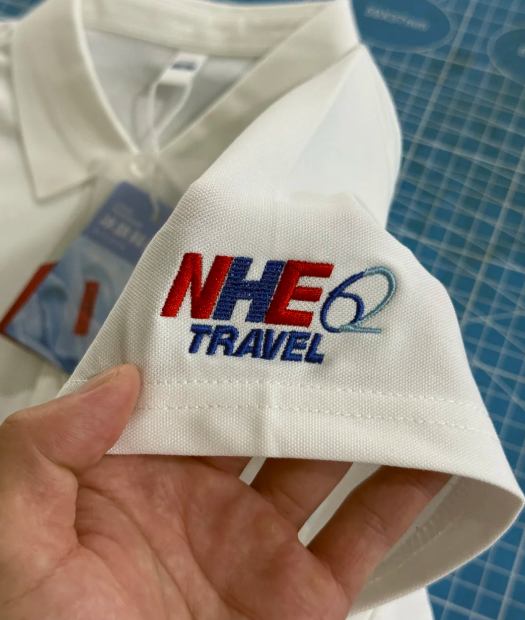
4.Embroidery
Embroidery, as a traditional and high-end decorative craft, stacks needle and thread on the surface of fabric to form patterns, with a three-dimensional tactile sensation of concave and convex. The embroidery stitches are tightly interwoven with the fabric fibers, which are resistant to washing and friction. However, the production cost is high, the price is expensive, and it is not suitable for color gradients and high-definition realistic patterns. It can only be made on semi-finished products and cannot be made on existing inventory,
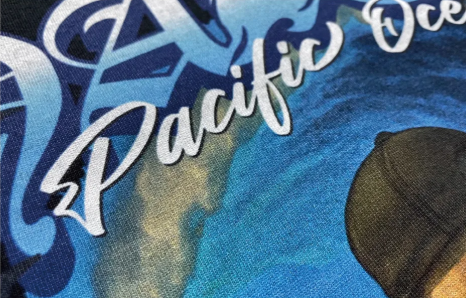
5.Digital Printing
Digital printing is similar to inkjet printing, where the image is directly printed onto the surface of the fabric and the ink is absorbed by the fibers.Suitable for complex, gradient, and colorful patterns, no need for plate making, fast and flexible small batch customization, environmentally friendly materials, and safe water-based ink.Personalized customization of T-shirts, cultural and creative products, multi-color patterns, anime/illustration style clothing, etc. Cannot be produced in stock item.
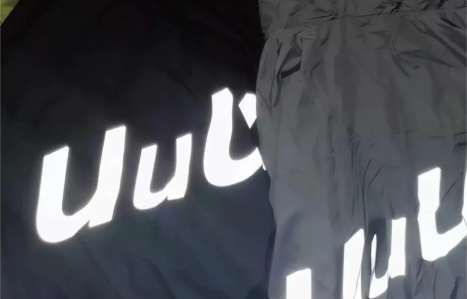
6.Reflective LOGO
Reflective Logo can be made into various forms such as logos, stripes, patterns, etc., with silver gray as the main color. The reflection principle of reflective markers is passive reflection, which requires external light source illumination to be effective. Low price reflective labels often use inferior glue or reflective materials, which can easily cause warping, peeling, and cracking of the reflective layer after several washes. They can be made in stock. The production cost is the same as the price of heat transfer printing,
Summary:There is no absolute superiority or inferiority in the production of clothing logos, the key lies in precise matching with brand positioning, fabric characteristics, and usage scenarios. From the timeless texture of traditional embroidery, to the flexible and efficient digital printing, and to the functional protection of reflective technology, the development of diverse techniques has provided more possibilities for logo design. In practical applications, it is necessary to consider one’s own needs comprehensively in order to make the logo not only convey brand value, but also enhance the overall quality of the clothing
if need sportswear could contact us!!!
Best selling products
-

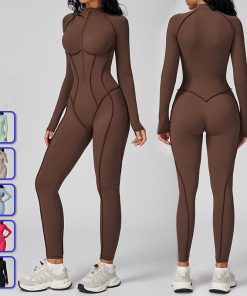
Custom Compression Onesie Workout Yoga Bodysuit Long Sleeve Backless Sports Rompers Zippered Front Gym Fitness Jumpsuits
$14.70 -
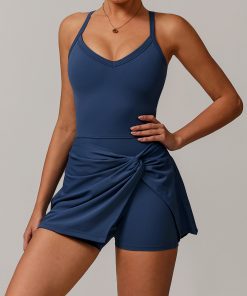
Environmentally friendly recycled dress with anti glare and twisted design, crossed and hollowed out hemline, beautiful back tennis skirt
$12.60 -
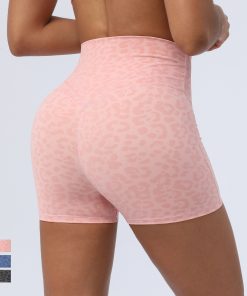
High Waist Tummy Control Women Animal Yoga Sports Shorts Cross V Elastic Waist Leopard Print Nylon Soft Biker Shorts
$6.44 -
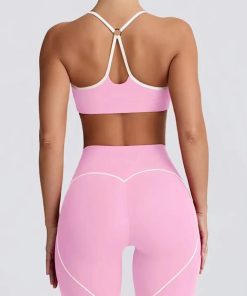
Custom Logo Yoga Suit High Waist Hip Lift Fitness Exercise Running Slim Tight Sports Underwear Yoga Leggings Women
$13.60 -
Lulu New Men’s Sports Running Double Outdoor Sports Fitness Tennis Five Cent Shorts
$12.00